
Home > Blogs > Detail

How to Choose Correct Wireless PCB with Project

31 Jan 2026 11:07:55 GMTTyson From www.hycxpcba.com

Wireless on Printed Circuit Boards revolutionized modern-day electronics, where information can be shared between devices sans cables. Thus, the advanced integration of one circuit board into wireless technologies like Wi-Fi, Bluetooth, and RF greatly enables the ease with which devices connect.

Starting from smartphones to smart homes, and reaching industrial automation, this technology is immensely useful in improving mobility, efficiency, and connectivity. This includes wireless PCBs, which, in the near future, are going to become much smaller and more power-efficient, very adaptable for each and every device of the modern connected world.


What is a Wireless PCB?

The wireless PCB is one form of the circuit board specifically developed to support electronic devices’ functions for wireless communication. Other than the regular and traditional use of PCB, with wired connections, a wireless PCB integrates parts like antennas, RF modules, and signal processors onto the board, which work to transmit and receive data wirelessly.

This would also include Wi-Fi, Bluetooth, NFC, and RF communications. The areas where the usage of their application is noticed include smart devices, IoT applications, and industrial automation. This is because it permits increased flexibility in device design, reduction of cable clutter, performance, and efficient power consumption.
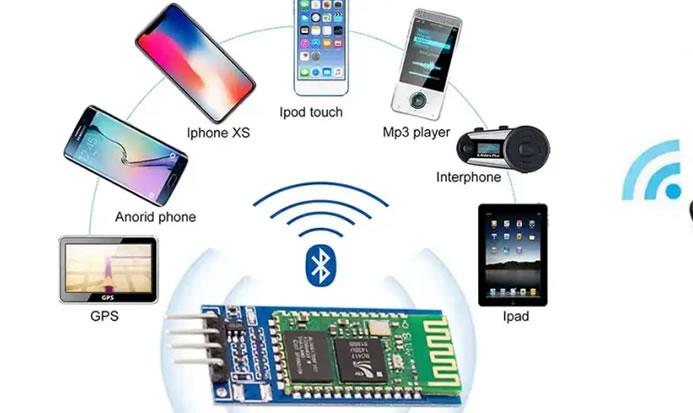
The Role of Wireless PCBs in Modern Electronics

From then onwards, the wireless PCBs began to become part and parcel of modern electronics. They allowed much smooth communication and, altogether, gave quite a deal in functionality to the device. They avoid wired networks; hence, they are compact, efficient, and also relatively more connected. Here they come to contribute their part to today’s technology:

Reduces Clutter, Enhances Portability

No wires attached, sleeker, lighter device design because of wireless PCBs. Therefore, it allows gadgets to become even more portable and user-friendly.

Smarter Connectivity

Wireless PCBs connect devices with the capability and, therefore allow smart home systems, wearables, and applications of IoTs to function accurately.

Improvement in IoT Communication Devices

Those PCBs contribute to the wireless exchange of information between devices. It has very critical participation in IoT to serve automation in the home, in industries, in healthcare, among others.

Promotes Comfort to the User

PCBs powered by wireless technology, such as Bluetooth and Wi-Fi, provide effortless connectivity of devices by users without having to plug into them physically.

Accommodate Advanced Applications

Wireless PCBs are helping advance applications such as smart cars and medical monitoring systems that must have real-time data transfer and remote control functions.

And since wireless technology isn’t going anywhere, wireless PCBs will forever be in developing the future of smart and connected devices.


This image has an empty alt attribute; its file name is 202511041828123571.png


The Technology Behind Wireless PCBs

Wireless PCBs are based on some advanced communication technologies that assure the total facilitation of data transmission without physical connections. They have guaranteed high-speed, effective, and dependable wireless communication in a great number of devices. Below are basic technologies used in wireless PCB:

Wi-Fi

High-speed internet connectivity for long-distance communications among devices such as smartphones, laptops, smart home systems, and wireless communication.

Bluetooth

This provides short-range communication between devices, along with energy efficiency, including wireless headphones and smartwatches and fitness trackers.

RF

RF finds its perfect sweet spot in remote controls, RFID tags, and wireless sensors that can potentially enable long-range correspondence with stability in many industries.

NFC

It enables secure wireless interactions in near proximity and hence finds ideal applications in contactless payments, smart access cards, and the exchange of information between compatible devices.

Zigbee and LoRa

Low-power communication technologies find extensive application in IoT and industrial usage, thus driving intelligent automation at a longer range by remote monitoring.
The integration of such wireless technologies into PCBs will power modern electronics toward better connectivity, higher efficiency, and greater user experience.

Common Wireless PCB Applications

PCB wireless technologies have increased communication and automated processes across diversified industries. Without wires to confine data transfer, their functionality has made them highly important in modern-day electronics. Key Applications:
  • Consumer Electronics: Wireless PCBs have powered such innovations as smartphones, smartwatches, earbuds, and controllers that are designed for easy and seamless connectivity with the users.
  • Smart Home: Many of the devices in a smart home, such as smart thermostats, security cameras, and automated lighting systems for energy efficiency, can be controlled from a distance.
  • Healthcare Devices: Wearable medical gadgets, wirelessly capable patient monitoring systems, and smart implants are devices needing wireless PCBs to operate in real time and send on data for remote healthcare support.
  • Automotive Sector: Some of the major applications of wireless PCBs include GPS navigation systems, keyless entry, infotainment, and ADAS to make vehicles more functional in an attractive way.
  • IoT: These include wireless sensors and monitoring devices, which reduce manual interference in the automation of manufacturing, monitoring, and optimization processes.
  • Smart Agriculture: Wireless PCBs find their application in IoT-based farming equipment, including automated irrigation systems, soil moisture sensors, and remote weather monitoring devices.


This image has an empty alt attribute; its file name is 202511041828123571.png


These applications show the increasing role of wireless PCBs in making devices smarter, more efficient, and user-friendly.

Challenges in Designing Wireless PCBs

In designing a wireless PCB, there are a lot of technical challenges that have to be overcome for good performance and efficiency in communication. Some key challenges include:

Signal Interference

Wireless signals can be disrupted by nearby electronic components or other wireless devices, affecting performance and data transmission reliability.

Power Consumption

Wireless communication involves the use of continuous power; hence, the optimization of battery life in portable devices is one of the biggest design challenges.

Heat Management

Most of the wireless components, especially RF modules, generate heat during their working process, which needs proper mechanisms for dissipation to avoid overheating.

Antenna Placement

Antennas are to be carefully placed to evade signal loss and interference to provide good and stable wireless connectivity.

Miniaturization and PCB Layout

The challenge is integrating wireless functionality into compact PCB design without losing performance due to miniaturization of devices.

Regulatory Compliance

For that reason, wireless PCBs have to follow different governmental and industrial regulations, like FCC, CE, or RoHS, so they can operate safely with no interference issues.

How to Choose the Right Wireless PCB for Your Project

The selection of the right wireless PCB is vital in the performance of any project efficiently, reliably, and with seamless connectivity. It will take a set of considerations to find the right match between the PCB and what your application needs. Here’s what to consider:

Connectivity Requirements

Determine what type of wireless technology will be needed, which is a tradeoff between range, speed, and data transmission needs, whether Wi-Fi, Bluetooth, RF, NFC, or other wireless technologies.

Power Efficiency

If the device is powered by a battery, then use a low-power wireless PCB to extend battery life and conserve energy. Energy efficiency designs shall be key for portable and IoT applications.

Size and Form Factor

Make sure the PCB fits within your device’s design constraints. Compact and flexible PCB designs are critical for wearables and miniaturized electronics.

Environmental Conditions:

Temperature, humidity, and dust or water exposure. Most applications need ruggedized PCBs with protective coatings for durability.

Antenna Integration:

The decision on using an external or embedded antenna has to be made, each impacting the signal strength and general performance of the device. Placement of antennas should be done carefully in order not to cause interference and loss of signals.

Regulatory Norms:

It should be of a standard that provides industry certification so that it adheres to regulations and doesn’t interfere with any other wireless products.

Cost Versus Manufacturing

The design is selected based on the trade-offs between performance and cost, providing scalability for manufacturing without compromising product quality.

Conclusion

The introduction of wireless PCBs in modern electronics revolutionized communication by making it cordless, neat, and efficient. Starting from consumer gadgets and healthcare devices, to industrial automation and smart homes, these PCBs have tremendously helped to enhance the connectivity of most electronic devices around.

Designing an effective wireless PCB demands the solving of some challenges related to signal interference, power consumption, and regulatory compliance. Wireless PCBs will be selected based on connectivity requirements, power efficiency, and operating conditions. In the future, wireless PCBs will continue to drive innovation in making devices smarter, smaller, and highly efficient in a connected world.


This image has an empty alt attribute; its file name is 202511041828123571.png


VR